How to Diagnose and Repair Common Drywall Problems Like a Pro
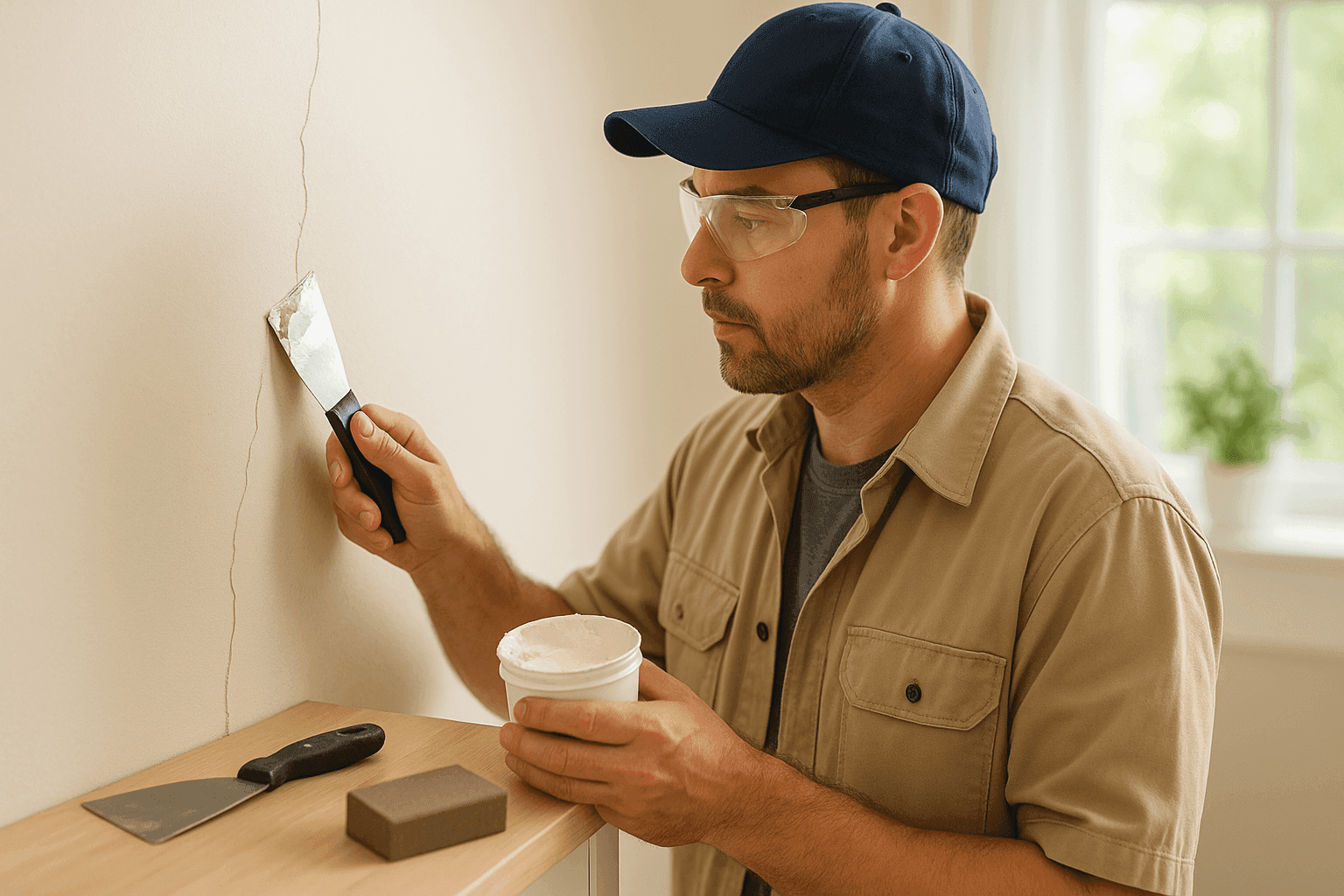
Drywall is the skin of your home or business. It hides wires, keeps things insulated, and makes every wall look smooth—until problems show up. Maybe you spot a hairline crack creeping above a door. Or a mysterious stain blooms after heavy rain. Suddenly, those walls start telling stories you’d rather not hear.
At GG Handyman, we’ve seen every kind of drywall disaster, from small dings to major water damage. Ignoring these issues won’t make them disappear. In fact, little problems can snowball into big ones—risking both your property’s looks and its value. The good news? Most common drywall issues can be diagnosed and handled if you know what to look for and how to respond.
The Most Common Drywall Problems (And What They Look Like) 🕵️
Before you can fix drywall, you have to spot the trouble. Here are four of the most frequent issues that pop up in homes and commercial spaces:
Cracks
Cracks often snake along seams, corners, or above doors and windows. They may start small but can widen over time. Most small cracks are just cosmetic—think of them as wrinkles from a settling building. But if they widen, branch out, or reappear after repairs, they could signal deeper trouble, like shifting foundations or moisture.
- Where to look: Window and door frames, corners, ceiling-to-wall joints.
- What you’ll see: Thin, jagged lines; sometimes straight, sometimes wandering.
Holes
Accidents happen. Maybe a doorknob slams too hard, or furniture knocks into the wall. Holes can be small (nail or screw punctures) or large (fist-sized or bigger). Small ones are easy to patch. Bigger ones often need reinforcement behind the scenes.
- Where to look: Behind doors, in high-traffic zones, near light switches.
- What you’ll see: Clean punctures, ragged openings, or even missing chunks of drywall.
Water Stains
These are the real wildcards. Water stains often show up as yellow or brownish patches that spread over time. They might feel damp or spongy. Sometimes, paint peels or bubbles over the stain. Long-term moisture can lead to mold, so don’t ignore these.
- Where to look: Ceilings under bathrooms or roofs, near plumbing lines, exterior walls.
- What you’ll see: Discolored patches, warped drywall, or swollen areas.
Nail Pops
Nail pops are small, round bumps or cracks where fasteners (nails or screws) push through the surface. This happens as framing lumber dries and shifts, pushing the fastener out. It’s common in newer homes and isn’t usually structural.
- Where to look: Mid-wall or ceiling, especially in newer construction.
- What you’ll see: Tiny, raised circles; sometimes with a visible nail or screw head.
Quick Safety Checklist Before You Start 🛑
- Turn off power in the area if you’ll be drilling or fixing near electrical outlets or switches.
- Wear safety goggles and a dust mask—drywall dust is no joke.
- Use a sturdy ladder for ceiling repairs. Never overreach.
- Watch for signs of mold (black or green fuzzy spots). Disturbing mold can release spores into the air.
- If you suspect water damage, check for hidden leaks first. Water and electricity do not mix.
DIY Drywall Repairs vs. When to Call a Handyman
Some drywall fixes are as easy as applying a bandage. Others are more like surgery. Here’s how to tell the difference:
DIY-Friendly Fixes
- Small cracks: Fill with joint compound, sand smooth, and paint.
- Tiny holes (nail/screw): Spackle, sand, and touch up paint.
- Nail pops: Reset the fastener, add a new drywall screw nearby, patch over both.
Call a Handyman For:
- Large holes (bigger than a golf ball): These need backing support (like a drywall patch or wood brace) to avoid sagging.
- Extensive cracks or recurring problems: Could mean structural issues.
- Water stains or soft spots: Water damage can hide rot, mold, or broken pipes.
- Anything near wiring or plumbing: Better safe than sorry—leave it to a pro.
A handyman like GG Handyman brings the right tools, a careful eye, and experience. If you need “Smoke Detector Installation near you,” chances are you’ll want drywall work done right, too.
What the Pros Do When They Arrive
When you bring in a seasoned handyman, here’s what you can expect:
- Assessment: We look at the size, location, and pattern of the damage.
- Root Cause: We check for leaks, moisture, or structural shifts using moisture meters and levels.
- Safe Prep: We isolate the area, lay drop cloths, and protect surrounding surfaces.
- Precise Repairs: We cut out damaged drywall cleanly, reinforce as needed, and use code-compliant materials (per ASTM C840 standards).
- Finishing Touches: Sanding, priming, and matching texture—so the repair blends in, not sticks out.
- Cleanup: Dust and debris are removed. We leave the place as tidy as we found it.
Troubleshooting Guide: What Does That Drywall Symptom Mean?
- Cracks: Most often from settling, humidity changes, or improper installation.
- Holes: Impact from doors, furniture, or accidental bumps.
- Water Stains: Leaks from roofs, pipes, or HVAC systems.
- Nail Pops: Wood framing shrinking and pushing fasteners out.
- Peeling Paint: Moisture trapped under the surface or poor paint adhesion.
- Bulging/Soft Spots: Possible ongoing water damage or rot.
If you’re seeing a combination—like cracks AND stains—it’s a red flag for underlying issues.
Essential Tools & Materials for Drywall Repairs
- Joint compound (“mud”)
- Drywall tape (paper or mesh)
- Putty knives (various sizes)
- Sanding block or pole sander
- Utility knife
- Drywall saw (for larger holes)
- Backing boards or metal patch kits
- Primer and matching paint
Pro tip: Don’t skip the primer. It seals repairs and prevents flashing (visible patches under paint).
Finishing: Why It Matters
A patch is only as good as its finish. Sloppy sanding, mismatched texture, or skipping primer will make even the best repair scream “fixed!” from across the room. A good finish blends seamlessly. It’s invisible. That’s what separates a quick fix from a professional result.
Prevention & Maintenance Tips
- Control humidity: Use exhaust fans in kitchens and bathrooms.
- Check gutters: Clogged gutters can cause water to seep down walls.
- Install doorstoppers: Prevent doorknob holes.
- Tighten loose hardware: Prevent nail pops by securing drywall screws.
- Annual inspections: Especially after storms or plumbing work.
Costs & Time Factors
- Small repairs: Patching a nail hole or hairline crack may take less than an hour.
- Moderate repairs: Larger holes or multiple cracks could take 2–4 hours, plus drying time.
- Major damage: Water-damaged walls or big sections may need several visits to allow for drying and multiple coats.
Materials are generally affordable, but labor and expertise make up most of the cost. Remember: a seamless repair saves money in the long run by preventing repeat problems.
When It’s an Emergency
Certain drywall issues can’t wait:
- Active water leaks: Shut off water and call for help immediately.
- Sagging ceilings: Could collapse—evacuate the area.
- Widespread mold: Professional remediation is a must.
If safety is at risk, or you see signs of electrical or structural damage, make the call. Don’t try to DIY your way through an emergency.
FAQ: Common Drywall Repair Questions
Q: Can I just paint over a water stain?
A: Painting hides the stain, but not the cause. Always fix the leak and let the area dry before repainting.
Q: How do I know if a crack is serious?
A: If it’s wider than 1/8 inch, keeps coming back, or runs in a “step” pattern, call for an inspection.
Q: Will my repair be invisible?
A: With the right prep, materials, and finishing, most repairs blend in. Textured walls or ceilings are trickier, but a skilled handyman can match most finishes.
Q: Is drywall dust dangerous?
A: It can irritate lungs and eyes. Always wear a mask, and clean up thoroughly after sanding.
Local and Seasonal Considerations
Humidity swings, freezing winters, and rainy seasons can all affect drywall. In older buildings, settling is common. Commercial spaces may see more wear-and-tear from high traffic or equipment. For property managers, regular inspections—especially after storms or renovations—can catch issues early.
If you’re prepping for “Smoke Detector Installation near you,” it’s a smart time to address drywall repairs, too. Keeping walls in top shape means safer, better-looking spaces for everyone.
Having trouble with drywall? Whether it’s a minor fix or something that needs the touch of a seasoned handyman, GG Handyman is here to help.
Call GG Handyman now — or reach us anytime at 855-506-4553 .