Handyman Checklist: Essential Home Maintenance Tasks for Every Season
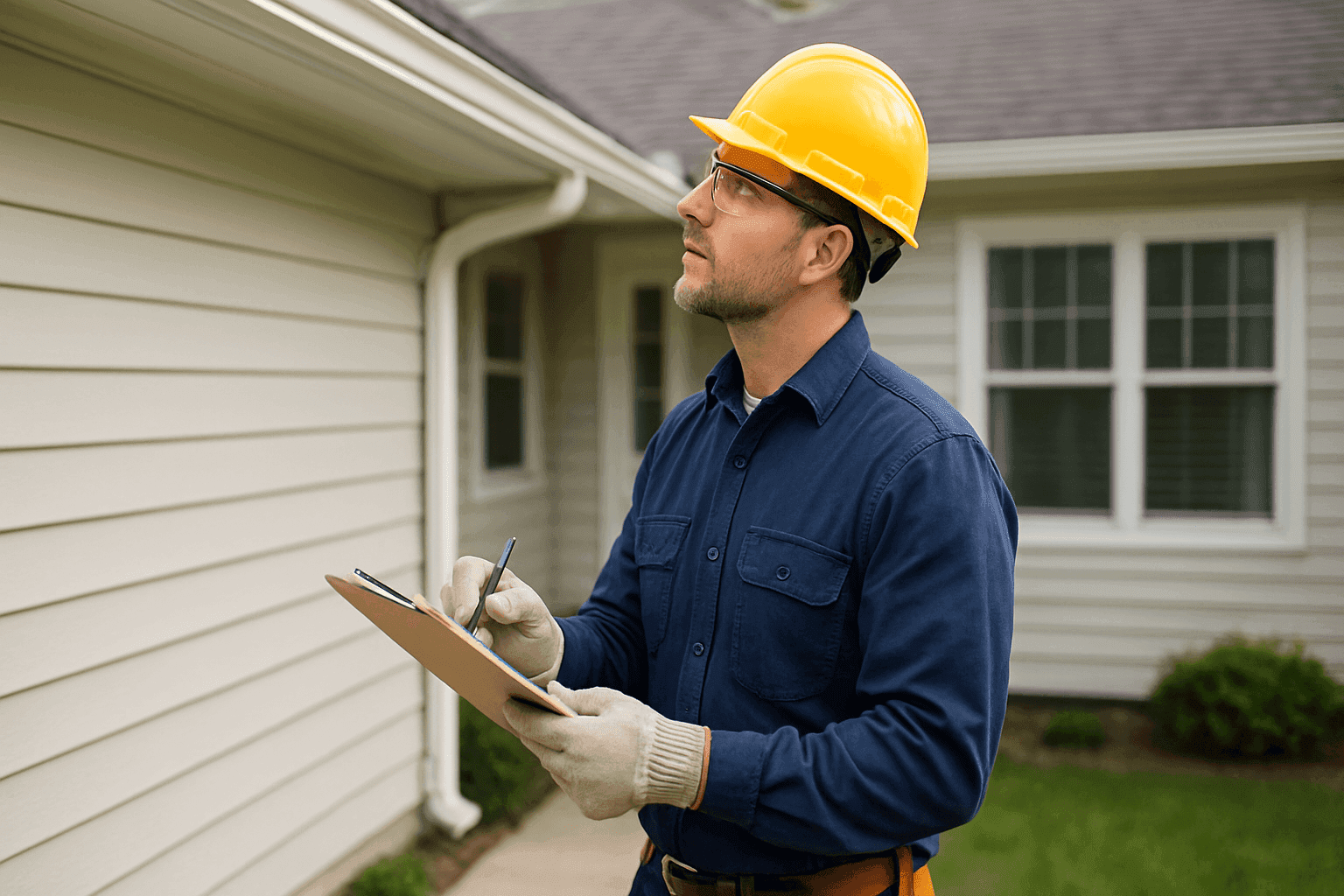
Home maintenance isn’t a once-and-done job. It’s more like tending a garden: steady effort, season by season, keeps everything growing strong and trouble at bay. Ignore it, and small issues can sprout into expensive emergencies overnight.
At GG Handyman, we know how busy life gets. But a little attention now saves a mountain of stress (and money) later. Whether you own a cozy home or manage a busy commercial property, this essential checklist will help you stay ahead—every season of the year.
Why Seasonal Maintenance Matters 🌦️
Properties age quietly. Weather, daily use, and even neglect chip away at your investment. Routine checks protect your property’s bones and systems—think of it as a regular “health check-up.” Insurance companies and manufacturers often require documented upkeep for claims and warranty protection (see International Association of Certified Home Inspectors and local building codes). Plus, catching problems early means cheaper repairs and fewer emergencies down the road.
Spring: Renew and Prepare
After winter, your property needs a wake-up call. Spring cleaning isn’t just about dust bunnies—it’s about catching winter’s leftovers before they become spring headaches.
Spring Maintenance Checklist
Exterior:
- Inspect roof for missing shingles or leaks.
- Clean gutters and downspouts. Remove leaves and debris.
- Pressure wash siding, decks, and patios.
- Check fences and decks for wood rot or loose boards.
- Examine exterior caulking and weatherstripping; reseal as needed.
- Service outdoor faucets and sprinkler systems.
Interior:
- Test all smoke detectors and carbon monoxide alarms (replace batteries or units if needed).
- Change HVAC filters and schedule service if required.
- Examine windows and doors for drafts; repair or add weatherstripping.
- Check for signs of water leaks under sinks and around appliances.
- Touch up paint and patch interior drywall cracks from winter settling.
- Organize garage and storage spaces—donate or dispose of unused items.
Pro tip: If you notice stubborn water stains or mold, or wiring that looks damaged, it’s time to call for electrical repairs or drywall repair near you.
Spring Safety Reminders
- Use ladders safely; ask for help with high or awkward jobs.
- Wear gloves and eye protection for pressure washing and repairs.
- Never ignore the smell of gas or scorched wiring—call a professional ASAP.
Summer: Protect and Enhance
Summer brings heat, humidity, and heavy use of outdoor spaces. It’s the best time for upgrades and preventive work.
Summer Maintenance Checklist
Exterior:
- Pressure wash driveways, walkways, and siding.
- Inspect and repair deck boards, railings, and fence posts.
- Apply sealant or stain to wood surfaces to prevent sun damage.
- Clean and inspect gutters after summer storms.
- Check foundation grading to keep water away from the building.
Interior:
- Service or install ceiling fans for better airflow.
- Check plumbing for leaks as pipes expand in heat.
- Lubricate door hinges and locks.
- Install or repair window blinds and curtains for energy savings.
- Check tile grout and caulking in kitchens and bathrooms.
Commercial Tip: Schedule odd jobs or minor repairs now while business is slower—avoid surprise disruptions later.
Summer Safety Reminders
- Stay hydrated and work in the morning to avoid midday heat.
- Be cautious with ladders and power tools—read the manual before use.
- For complex electrical repairs, always call a licensed handyman.
Fall: Prepare for the Cold
Crisp air means winter’s coming. Fall is your last chance to button up the property before temperatures plunge.
Fall Maintenance Checklist
Exterior:
- Clean gutters and downspouts again—falling leaves are relentless.
- Inspect and repair caulking around windows and doors.
- Check roof and flashing for signs of wear or damage.
- Drain and store garden hoses; shut off exterior water lines.
- Install weatherstripping and check for drafts.
Interior:
- Test smoke detectors and replace batteries.
- Inspect attic insulation; add more if needed.
- Reverse ceiling fans to push warm air down.
- Service heating system and replace filters.
- Organize and secure garage or storage areas against pests.
Pro tip: If you spot sagging gutters, cracked window frames, or persistent cold spots, call for professional door and window repairs near you.
Fall Safety Reminders
- Wear non-slip shoes on wet leaves and ladders.
- Always turn off utilities before any major repair.
- Don’t overload electrical outlets with seasonal décor.
Winter: Defend and Monitor
Cold weather is tough—on pipes, walls, and your patience. Winter is about defense and quick fixes.
Winter Maintenance Checklist
Exterior:
- Clear snow and ice from walkways and driveways.
- Inspect for ice dams on the roof and icicles on gutters.
- Keep exterior doors and windows tightly sealed.
- Check for animal nests or burrows near the foundation.
Interior:
- Monitor plumbing for signs of freezing—keep a drip on on cold nights.
- Test smoke and carbon monoxide detectors monthly.
- Inspect and repair caulking around sinks, tubs, and tile.
- Check for drafts; add or repair weatherstripping.
- Keep emergency supplies handy: flashlight, batteries, basic tools.
Commercial Tip: Schedule emergency repairs promptly—never let a small leak turn into a flood.
Winter Safety Reminders
- Use space heaters safely—keep them away from flammable materials.
- Never use ovens or stoves for heating.
- Watch for condensation or frost build-up on windows—signs of poor insulation.
When to DIY vs. Call a Handyman
Some repairs are like changing a light bulb—quick, safe, and satisfying. Others are more like wrestling an octopus. Here’s a quick guide:
DIY Tasks:
- Changing air filters, batteries in detectors, minor paint touch-ups.
- Light caulking and simple weatherstripping.
- Assembling furniture with clear instructions.
Call a Pro for:
- Electrical repairs, smoke detector installation near you, or anything involving wiring.
- Plumbing repairs, especially leaks behind walls or under floors.
- Structural repairs (decks, fences, major drywall or tile work).
- Appliance installation that requires venting or gas connections.
- Mounting TVs, heavy shelving, or anything needing wall anchors.
Rule of thumb: If you’re unsure, working at heights, or dealing with plumbing or electricity—hand it off. Safety first.
What to Expect When the Handyman Arrives
A professional handyman comes prepared. Here’s what usually happens:
- They’ll inspect the issue and surrounding area for hidden problems.
- Review options and talk through the best approach—no surprises.
- Secure the work area and follow safety protocols (OSHA, EPA, and local building codes).
- Use the right tools and materials for the job.
- Clean up thoroughly, so you’re not left with a mess.
- Offer maintenance tips to prevent repeat issues.
Prevention & Maintenance: The Secret Sauce
Routine upkeep isn’t glamorous, but it’s what keeps the lights on and the water running. Here’s why it matters:
- Insurance & Warranties: Many policies require proof of regular maintenance to approve claims. Check your homeowner’s or commercial policy.
- Energy Savings: Sealing drafts and changing filters cuts utility bills.
- Resale Value: Well-maintained properties fetch higher prices.
- Peace of Mind: No one wants a midnight leak or sudden outage.
Tip: Set calendar reminders for seasonal tasks. Or keep a simple checklist on your fridge.
For more, see the National Fire Protection Association for smoke detector guidelines, and the U.S. Department of Energy for weatherization and insulation.
Costs & Time Factors
No two properties are the same, but here’s what most folks can expect:
- Simple tasks: Replacing filters, batteries, or weatherstripping—minutes to an hour.
- Moderate jobs: Caulking, drywall repair, tile fixes, or pressure washing—1–3 hours.
- Complex repairs: Plumbing, major appliance installation, or electrical repairs—half a day or more.
Materials and job complexity drive costs. Sometimes, parts are inexpensive, but labor takes time. Letting a problem grow will always cost more than catching it early.
When It’s an Emergency
Some situations just can’t wait:
- Burst pipes or flooding.
- Sparking wires or burning smells.
- Gas leaks or carbon monoxide alerts.
- Roof damage after a storm.
- Major appliance failure in critical settings (restaurants, medical offices, etc.).
If you spot any of these, don’t wait. Call for emergency repairs near you right away. Your safety—and your property’s—depends on it.
FAQ: Common Handyman Maintenance Questions
How often should I schedule home maintenance?
At least once per season. Some tasks, like testing smoke detectors or changing HVAC filters, should be done monthly or quarterly.
Can I install a smoke detector myself?
Battery-powered units are DIY-friendly if you follow the manufacturer’s directions and local codes. Wired or interconnected systems should be handled by a licensed handyman.
Is pressure washing safe for all surfaces?
Not always. Wood, older siding, and painted surfaces require care. Ask about the right pressure and cleaning agents for your property.
What are the signs I need professional help?
Flickering lights, repeated leaks, persistent drafts, or any job that feels unsafe or overwhelming.
Local and Seasonal Considerations 🏡
Every region has its quirks—blazing summers, icy winters, or endless rain. Adapt this checklist to your local climate and building codes. Commercial properties may require more frequent checks, especially for high-traffic areas or rental units.
Keep an eye on local weather forecasts. After storms or extreme temperature swings, do a quick walk-through inside and out. If something feels off, trust your gut and get it checked.
Staying on top of maintenance isn’t just about chores—it’s about protecting your investment, your safety, and your peace of mind. If your to-do list is growing or a task feels out of reach, GG Handyman is here to help.
Call GG Handyman now — or reach us anytime at 855-506-4553 .