Home Emergency Repairs: What to Do Before the Handyman Arrives
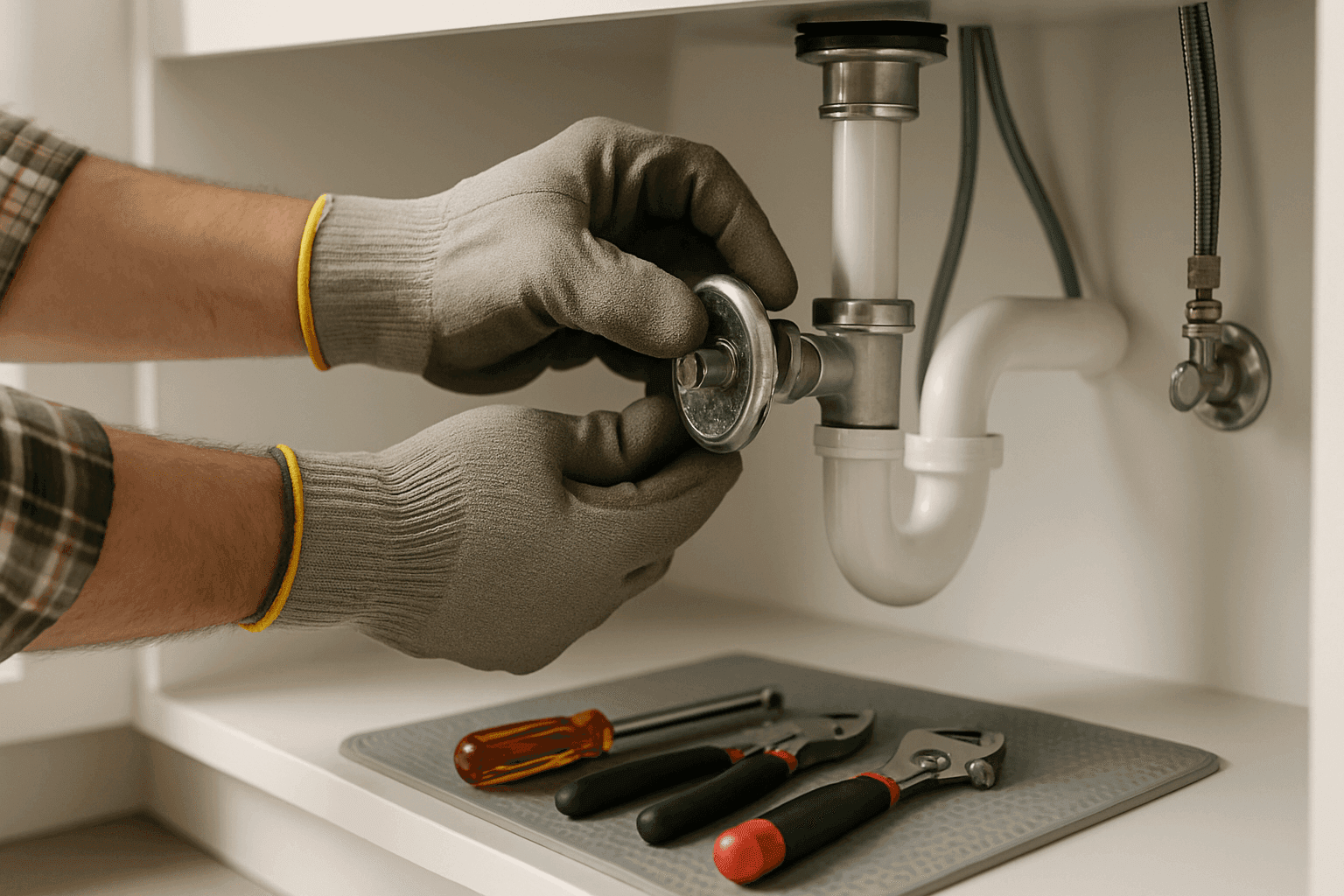
Emergencies strike when you least expect them. A pipe bursts at midnight. The power fizzles during dinner. Sometimes, a storm bats your fence down like it’s nothing. In those moments, panic can take over—but it doesn’t have to.
At GG Handyman, we know what it’s like to stare down a disaster and feel your heart race. This guide will help you keep your cool, protect your home or business, and get the right help fast.
Types of Home Emergencies to Expect
Home and property emergencies come in all shapes and sizes. Some can wait. Others need attention faster than you can say “handyman near you.” Here are the most common ones:
- Burst pipes or major leaks: Water everywhere, ceilings dripping, floors warping.
- Electrical faults: Smoke, sparks, or complete power loss.
- Storm or wind damage: Broken windows, damaged roofs, fallen fences.
- Broken locks or doors: Security risks, especially after a break-in.
- Gas leaks: The rotten egg smell no one wants to find.
- Fire or smoke damage: After the flames, dangers still linger.
Whether you own a home, a storefront, or manage rental properties, these emergencies can cause chaos. Knowing what to do in the first moments makes all the difference.
Quick Safety Checklist: What To Do First 🛑
When disaster strikes, seconds count. Here’s your first-response checklist:
- Stay calm. Take a breath. You’ll think clearer.
- Assess safety. Is everyone out of danger? If not, evacuate immediately.
- Shut off main utilities:
- Water: Find the main shut-off valve—usually in the basement, utility room, or outside.
- Electricity: Go to your breaker panel and flip the main switch if there’s any risk of shock or fire.
- Gas: If you suspect a leak, turn off the gas—only if it’s safe. Leave the building and call emergency services.
- Secure the area. Block off hazards—especially from kids or pets.
- Avoid standing water near outlets or appliances. Water plus electricity is a recipe for disaster.
- Don’t use open flames. If you smell gas, skip the matches and candles.
These steps protect you—and your property—before the handyman arrives.
DIY vs. Call a Pro: Know Your Limits
It’s tempting to grab a wrench or screwdriver and “just fix it.” But some repairs cross the line from handy to hazardous. Here’s when to step back:
Call a handyman if:
- The issue involves electrical wiring or outlets.
- You’re dealing with a major leak or burst pipe.
- Structural elements (walls, ceilings, decks) are compromised.
- There’s a gas smell or suspected leak.
- Locks or windows are broken after a break-in.
Safe DIY steps:
- Lay down towels to soak up minor leaks.
- Move valuables away from water or fire damage zones.
- Use a wet/dry vacuum for small amounts of water (if safe).
- Tape up cracked windows to prevent further shattering.
What NOT to do:
- Don’t open electrical panels if you’re not sure how.
- Don’t try to patch gas lines or pipes yourself.
- Don’t climb on slippery or unstable surfaces.
- Don’t force jammed doors or windows.
If in doubt, it’s always safer to call GG Handyman. Many emergencies look simple but hide real dangers.
What the Pros Do on Arrival
Handymen arrive ready to tackle the situation safely and efficiently. Here’s what to expect:
- Initial assessment: We check for immediate hazards, following local code and safety standards (see NFPA and OSHA guidelines).
- Utility check: Confirm all utilities are safely off or controlled.
- Damage control: Temporary fixes—like tarping a roof or patching a pipe—to prevent further problems.
- Detailed inspection: Identify all affected areas, even hidden damage.
- Repair plan: Discuss options, parts needed, and next steps.
- Cleanup: Make the space as safe and functional as possible until full repairs are done.
Your clear communication and prep work can help us get started faster.
What to Document for Faster Repairs
A little documentation goes a long way. Having clear records helps your handyman (and your insurance) understand what happened.
Checklist for what to document:
- Photos: Take clear pictures of all damage—wide shots and close-ups.
- Notes: Jot down what happened, when, and any actions you took.
- Utility status: Was water, power, or gas shut off? When?
- Affected areas: List all rooms or exterior spots involved.
What to avoid:
- Don’t move large debris until safe.
- Don’t throw away damaged items until documented.
- Don’t touch electrical equipment with wet hands.
This info paints a full picture for a smooth, swift repair process.
How to Communicate with Your Handyman
Clear, calm communication makes every emergency easier. When you call GG Handyman, be ready with:
- Your address and best phone number.
- Type of emergency: Water, electrical, storm, etc.
- Steps you've taken so far.
- Any special access needs: Locked gates, pets, business hours.
If possible, email or text photos ahead of time. The more we know, the faster we can help.
Prevention & Maintenance: Stop Emergencies Before They Start 🛠️
A little prevention is worth a ton of repairs later. Here are proven, practical habits:
- Check smoke detectors regularly (follow National Fire Protection Association guidelines).
- Inspect plumbing for leaks or corrosion every few months.
- Test GFCI outlets and replace if they trip often.
- Clean gutters each season to prevent water backup.
- Secure outdoor furniture before storms.
- Lubricate door and window locks to prevent sticking or breakage.
- Schedule seasonal maintenance—like weatherstripping installation or HVAC filter changes.
Routine home maintenance services, like those offered at GG Handyman, can catch small problems before they grow.
Costs & Time Factors: What to Expect
Emergencies are unpredictable—so are the costs and timelines. Here’s what affects them:
- Severity of damage: A small leak costs less than a flooded basement.
- Parts and materials: Some repairs need special-order items.
- Time of day: After-hours and holiday calls may take longer.
- Permits and inspections: Major repairs (especially electrical or structural) may need city approval.
Most emergencies can be stabilized in a visit, but full repairs might take follow-up visits. Your handyman will explain what’s needed and why.
When It’s an Emergency (And When It Isn’t)
Some repairs feel urgent but can wait a day or two. Others need immediate attention.
True emergencies:
- Active flooding or leaks
- No power or dangerous electrical faults
- Gas smell or suspected leak
- Broken exterior doors/locks after a break-in
- Fire, smoke, or carbon monoxide alarms going off
Can wait briefly:
- Minor drywall cracks
- Small appliance installation
- Furniture assembly
- Picture hanging or shelving
If you’re not sure, call GG Handyman for advice. A quick phone call can give you peace of mind.
FAQ: Common Emergency Repair Questions
How do I find my main water shut-off?
Look near your water meter—often in the basement, crawlspace, or outside. If unsure, ask your handyman to show you for future emergencies.
What if I can’t access my breaker panel?
Leave the area and call for help. Never force access if you suspect electrical danger.
Can I patch a leak myself?
You can slow small leaks with towels or buckets, but avoid tape or sealants on pressurized pipes. Leave major repairs to a pro.
Is it safe to stay home after storm damage?
If the structure is sound and utilities are safe, yes—but err on the side of caution if you see sagging ceilings, exposed wires, or smell gas.
Local/Seasonal Considerations 🌦️
Climate and seasons matter. In winter, frozen pipes burst more often—insulate them well. Heavy spring rains can overwhelm gutters or seep into basements. Summer storms bring wind and flying debris; fall leaves block drains.
If you own commercial property, schedule regular checks for high-use areas—bathrooms, kitchens, entryways—to limit business disruptions.
Stay alert to local weather alerts and keep emergency numbers handy. Preventive maintenance (like Smoke Detector Installation near you) is your first defense, no matter the season.
Emergencies happen, but panic doesn’t have to. The right steps—taken calmly and quickly—protect your property and everyone inside. For fast, professional help with any home or commercial emergency, Call GG Handyman now — or reach us anytime at 855-506-4553 .